
Sales Training vs Sales Tools
- Jason Pye

- Nov 17, 2025
- 2 min read
During my career, I’ve worked with companies of every size, from small, agile teams to global enterprises with more than 100,000 employees. I also spent time with one of the world’s leading sales training organisations, collaborating with some of the largest technology companies on the planet.
I’ve been exposed to more training programmes, tools, tips, and tricks than anyone I know. I’ve seen the full spectrum (from world-class to wasteful), and I’ve witnessed how they’ve shaped (and sometimes failed to shape) the performance of hundreds of salespeople, including my own.

To be fair, some elements of sales training are genuinely valuable. Good training can improve awareness, introduce structure, and inspire temporary motivation. But one truth kept surfacing again and again:
The application and adoption of what’s learned drops off rapidly once the course ends.
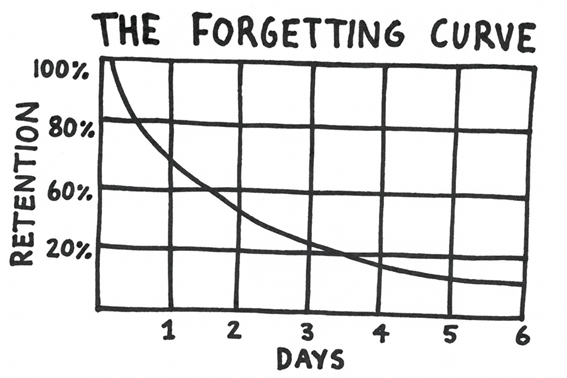
And this isn’t just observation, it’s science. According to Ebbinghaus’s Forgetting Curve, knowledge retention can fall from nearly 100% to as little as 10% within seven days unless it’s actively reinforced.
That’s why tools stick more than training. Think about it, if you need to put a hammer in the wall, you will pick the tool to do it - a hammer. If you are failing at negotiation and losing deals, you will find the tools, tips and tricks to help you fix that piece of the sales cycle.
Training courses are generic - tools are specific to the problem at hand
It is logical really - if a tool helps a salesperson close more deals, they’ll keep using it. If it doesn’t, they’ll quickly revert to whatever worked for them before.
Despite this, companies continue to pour thousands (sometimes hundreds of thousands) into broad, standardised sales training programmes in the hope of making everyone sell better (and in the same way).
But here’s the problem:
Every salesperson is different.
Picture ten people sitting in a training room. They’ll vary in age, experience, confidence, and performance. Salesperson number one might already be strong in 90% of the required skills, while salesperson number two may only be at 50%. So why would we expect a one-size-fits-all programme to work for both?
It’s like ten patients walking into a doctor’s surgery with completely different symptoms and all being handed the same prescription. You’d never see that in healthcare, yet businesses do it every day with their sales teams.
The truth is that sales performance isn’t standardised — it’s personalised. What works for one person might not work for another, which is exactly why tools, not training, are the missing piece of the puzzle.


Comments